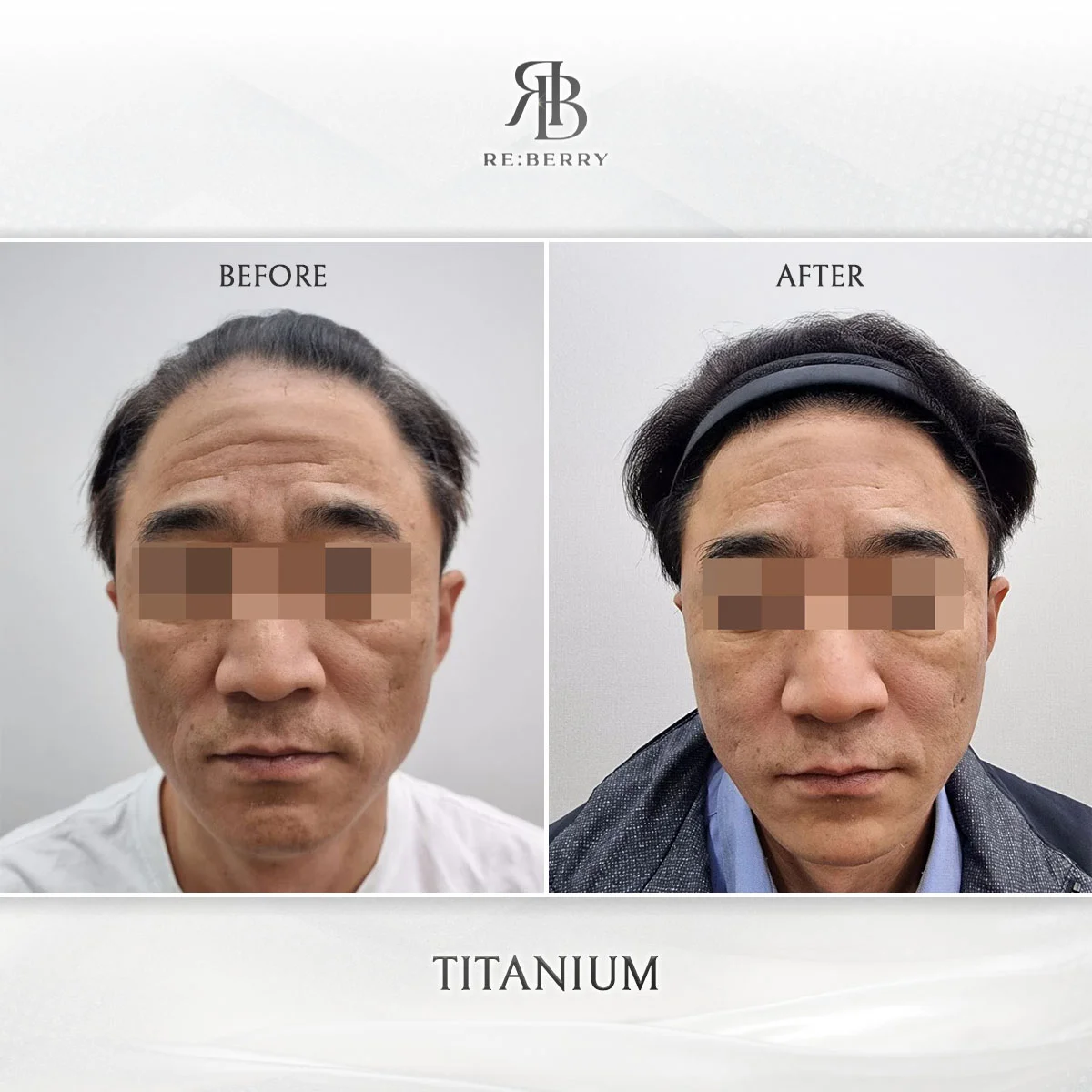
Understanding Face Lift Safety Profiles
Non-surgical face lift procedures have expanded dramatically over the past decade, with energy-based devices now offering lifting results that previously required surgery. However, every treatment carries a specific risk profile that varies by device type, treatment depth, and energy level. Understanding these risks before committing to a procedure is essential for making an informed decision.
The most commonly used non-surgical lifting technologies include focused ultrasound (Ultherapy), microfocused ultrasound (Sofwave), radiofrequency (Thermage FLX, Onda), and thread lifting. Each targets different tissue depths ranging from 1.5mm to 4.5mm beneath the skin surface. Deeper penetration generally correlates with stronger lifting effects but also increases the potential for side effects if the device is improperly calibrated or positioned.
Common Side Effects by Treatment Type
Energy-Based Devices
Ultherapy delivers focused ultrasound at temperatures reaching 60-70 degrees Celsius to create thermal coagulation points at the SMAS layer. Expected side effects include erythema lasting 1-3 hours in 95% of patients, mild edema persisting 24-48 hours, and tenderness for 1-2 weeks. A 2021 retrospective study of 4,265 Ultherapy patients reported temporary numbness in 2.6% of cases, resolving within 6 weeks. Lee S et al. Dermatol Surg. 2021;47(3):345-351. doi:10.1097/dss.0000000000002842
Sofwave uses parallel beam ultrasound at 1.5mm depth with integrated cooling, reducing the thermal injury risk significantly. Clinical trials show a side effect profile limited primarily to erythema in 78% of patients (resolving within 2 hours) and mild edema in 32% (resolving within 24 hours). Thermage FLX radiofrequency treatments produce surface heating that can cause transient redness and a warm sensation lasting 30-60 minutes post-treatment.
Thread Lifting Risks
Absorbable thread lifting using PDO, PLLA, or PCL threads carries a distinct risk category because it involves subcutaneous insertion. Common side effects include bruising at entry points (occurring in 40-60% of patients), mild asymmetry that typically self-corrects within 2 weeks, and a pulling sensation lasting 3-5 days. Serious complications such as thread migration, infection, or visible dimpling occur in approximately 3-5% of cases and require clinical intervention.
Contraindications and Pre-Treatment Screening
Absolute contraindications for energy-based face lifting include active skin infections, open wounds in the treatment area, and implanted metal or electronic devices near the target zone. Patients with a history of keloid scarring face elevated risk with any procedure that induces deep thermal injury. Pregnancy and breastfeeding are standard exclusion criteria for all non-surgical lifting treatments.
Relative contraindications require case-by-case evaluation. Patients using isotretinoin should wait 6 months after discontinuation before undergoing energy-based treatments. Those with autoimmune conditions such as lupus or scleroderma need dermatological clearance. Blood-thinning medications including aspirin and warfarin should be paused 7-10 days before thread lifting to minimize hematoma risk, though energy-based procedures generally do not require medication adjustment.
Regulatory Approvals and Device Certification
In Korea, the KFDA (now MFDS) regulates all medical devices used for aesthetic procedures. Ultherapy received MFDS approval for non-invasive tissue lifting in 2012, and Sofwave gained approval in 2021. Thermage FLX holds MFDS clearance for skin tightening and contouring. Clinics operating in Gangnam are required to use only MFDS-registered devices and maintain proper documentation of device maintenance and calibration records.
RE:BERRY Gangnam uses exclusively MFDS-approved devices with documented maintenance logs. Aesthetic Medicine Specialist Yoon-Gon Ryu emphasizes that device certification alone does not guarantee safety; practitioner experience, proper patient screening, and appropriate energy parameter selection are equally critical factors in achieving safe outcomes.
Managing Side Effects and When to Seek Help
Most side effects from non-surgical face lifting resolve without intervention. Applying cold compresses for 10-15 minutes during the first 6 hours reduces swelling. Avoiding direct sun exposure for 48 hours and applying SPF 50+ sunscreen minimizes post-inflammatory hyperpigmentation risk. Over-the-counter pain relievers such as acetaminophen manage discomfort; ibuprofen and aspirin should be avoided for 24 hours post-treatment due to increased bruising potential.
Red flags requiring immediate medical attention include persistent numbness beyond 4 weeks, asymmetric facial movement suggesting nerve involvement, expanding hematoma, signs of infection (increasing redness, warmth, and discharge after 48 hours), and visible thread extrusion in thread lifting procedures. These complications are rare but require prompt evaluation to prevent permanent sequelae.